
Cashion Cultural Legacy (CCL) and Los Lupeños de San José share a long-standing partnership rooted in preserving, performing, and evolving Mexican folklórico traditions across generations.
Cashion Cultural Legacy
Cashion Cultural Legacy is a 501(c)(3) nonprofit arts organization based in San José, California, dedicated to preserving, supporting, and advancing Mexican folklórico dance and cultural traditions through performance, education, community engagement, and artistic development.
Rooted in the legacy of Susan Cashion and the generations of artists, educators, cultural bearers, and community leaders who helped shape the folklórico movement in San José, Cashion Cultural Legacy serves as the organizational home of Los Lupeños de San José, Los Lupeños Juvenil, Los Lupeños Academy, FOLKLOREADA, artist exchanges, and other cultural initiatives that celebrate Mexican heritage and strengthen community connection.
Through professional performances, youth and adult dance education, public festivals, cultural research, artist exchanges between California and México, and intergenerational learning opportunities, Cashion Cultural Legacy creates spaces where tradition is honored, artistry is nurtured, and culture continues to live, grow, and inspire future generations.
Our work is grounded in the belief that Mexican folklórico is more than performance—it is a living expression of memory, identity, history, and community. By providing accessible arts education, meaningful performance opportunities, and culturally rooted programming, Cashion Cultural Legacy supports artists, students, families, and audiences in building a deeper connection to Mexican culture while ensuring these traditions remain visible, respected, and relevant in San José and beyond.
As a community-centered organization, Cashion Cultural Legacy is committed to cultural preservation, artistic excellence, educational access, and responsible representation. Our programs uplift Mexican and Mexican American heritage, create pathways for emerging and established dancers, and bring people together through the shared power of dance, music, storytelling, and cultural celebration.
Los Lupeños
Los Lupeños de San José is a pioneering Mexican folklórico dance company dedicated to preserving, celebrating, and advancing the vibrant traditions of Mexican culture through the art of dance. Founded in 1969 by Susan Cashion and Ramón Morones, Los Lupeños has long played a vital role in the development of folklórico in San José and across California, helping elevate Mexican dance as a serious artistic practice rooted in cultural knowledge, community connection, and performance excellence.
As the professional performing company of Cashion Cultural Legacy, Los Lupeños brings the richness of Mexican regional dance to life through dynamic stage productions, community performances, research-based repertoire, and intergenerational learning. The company’s work honors folklórico as a living expression of memory, identity, history, and belonging—connecting audiences not only to the beauty of movement, music, and costume, but also to the cultural stories and communities behind each tradition.
Guided by the values of artistry, education, and performance, Los Lupeños serves as both a cultural ambassador and a community-centered arts program. Through performances, collaborations, mentorship, artist exchanges, and educational engagement, the company creates meaningful pathways for dancers, families, and audiences to experience Mexican culture with depth, pride, and respect.
Los Lupeños continues to bridge tradition and contemporary cultural expression, ensuring that Mexican folklórico remains visible, relevant, and responsibly represented for future generations. In San José and beyond, the company inspires cultural pride, strengthens community belonging, and affirms the power of dance as a vehicle for preservation, storytelling, and collective joy.
[ ABOUT ]
-
Sustain the preservation, presentation, and education of Mexican folk culture through dance.
-
Universal recognition and appreciation of the Mexican folklórico genre.
-
We believe in the deep-rooted yet constantly evolving ARTISTRY of the traditional folklórico dance genre.
We subscribe to the idea that access to folklórico dance EDUCATION develops a deeper understanding and a proud appreciation of Mexican heritage.
We celebrate the power of folklórico dance PERFORMANCE as it captivates audiences and provides a positive image of Mexican culture.
[ HISTORY ]
Founders Susie & Ramón
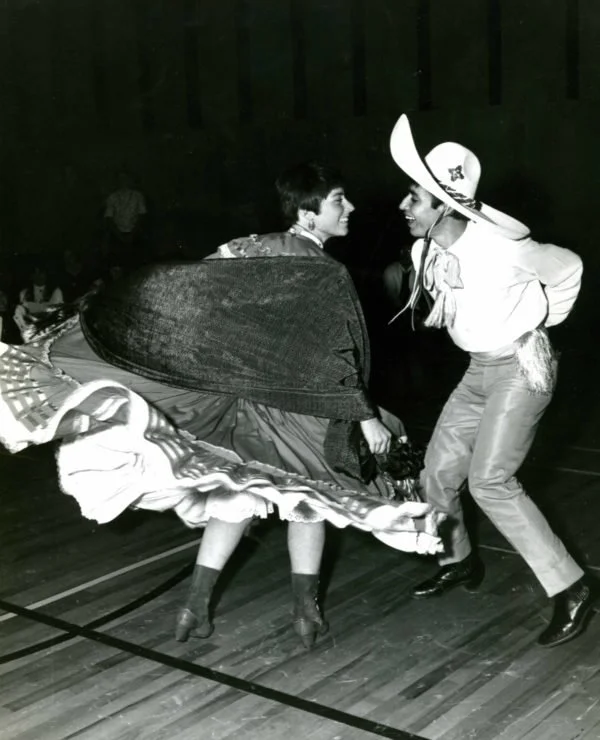
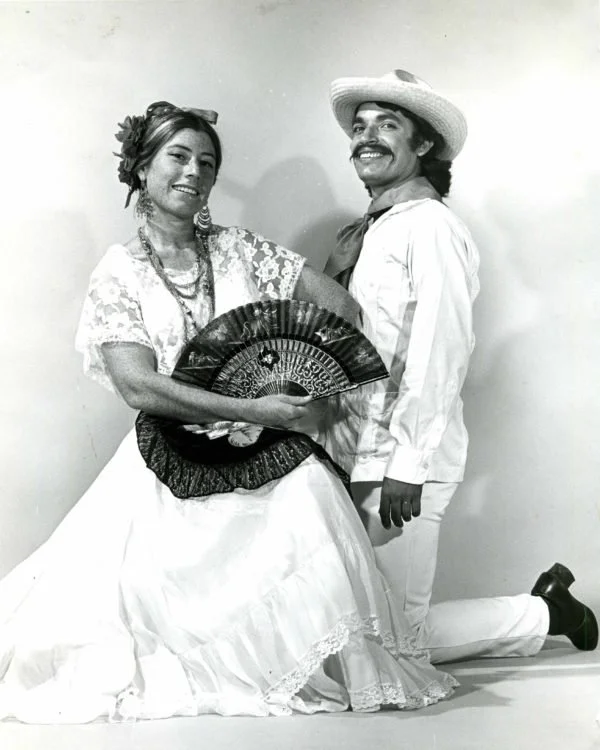
Los Lupeños was founded by visionaries Susan V. Cashion, PhD (1943-2013) and Ramón Morones Ortiz (1939-2011) who jointly co-directed the company for its first 10 years. Originally inspired by dancers, artists, directors, musicians, researchers, and choreographers from the Ballet Folclórico de la Universidad de Guadalajara, they believed that the intricacy, depth, costuming, and traditions of Mexican folk dance constituted a genre all in its own.
In addition to creating one of the earliest organized Mexican folklórico groups in the United States, they were also instrumental in the founding of the Asociación Nacional de Grupos Folklóricos (ANGF, the national association known for its week-long annual instructional conferences) in 1974. Their concept to bring groups together to perform under the banner Danzantes Unidos in 1977 & 1978 was the precursor to the current California-wide Danzantes Unidos Festival.
Both Susie and Ramón formed, choreographed, and directed other dance groups, taught at folk dance festivals, and created original contemporary pieces with traditional roots for many groups including Los Lupeños many years after they retired as the original directors. Their brainchild continues to flourish under the nonprofit organization that Susie created, the Cashion Cultural Legacy.
“I want my work to be seen as an art piece that is well crafted, beautifully staged, and centers on a specific theme or story line. I strive for a kinesthetic impact by filling the stage with motion. Entertainment in the best sense of the word is always my aim. But education and a deepening of understanding about the subject matter are of equal value.”
Staff
Our staff is a passionate team of artists, educators, and cultural leaders dedicated to preserving, celebrating, and advancing Mexican folk traditions. Through their artistry, teaching, and leadership, they nurture dancers of all ages, strengthen community connections, and ensure that the legacy of Los Lupeños continues to thrive for future generations.
-
![]()
Samuel Cortez
Artistic Director & Choreographer
Samuel Cortez is a Mexican dance artist and cultural leader whose work centers on the preservation, teaching, and continued evolution of Mexican folklórico in the United States. Born in Celaya, Guanajuato, Mexico, he began his dance training at an early age and has spent more than three decades directing, choreographing, and advancing folklórico through performance, education, and community-based practice. -
![]()
Steven Gastelum
Assistant Artistic Director
Steven Gastelum serves as Assistant Artistic Director for Los Lupeños Dance Academy, where he combines his technical precision and artistic passion to guide dancers in honing their skills and deepening their connection to Mexican folklórico traditions. As both a performer and instructor, he brings energy, discipline, and creativity to the stage and studio. -
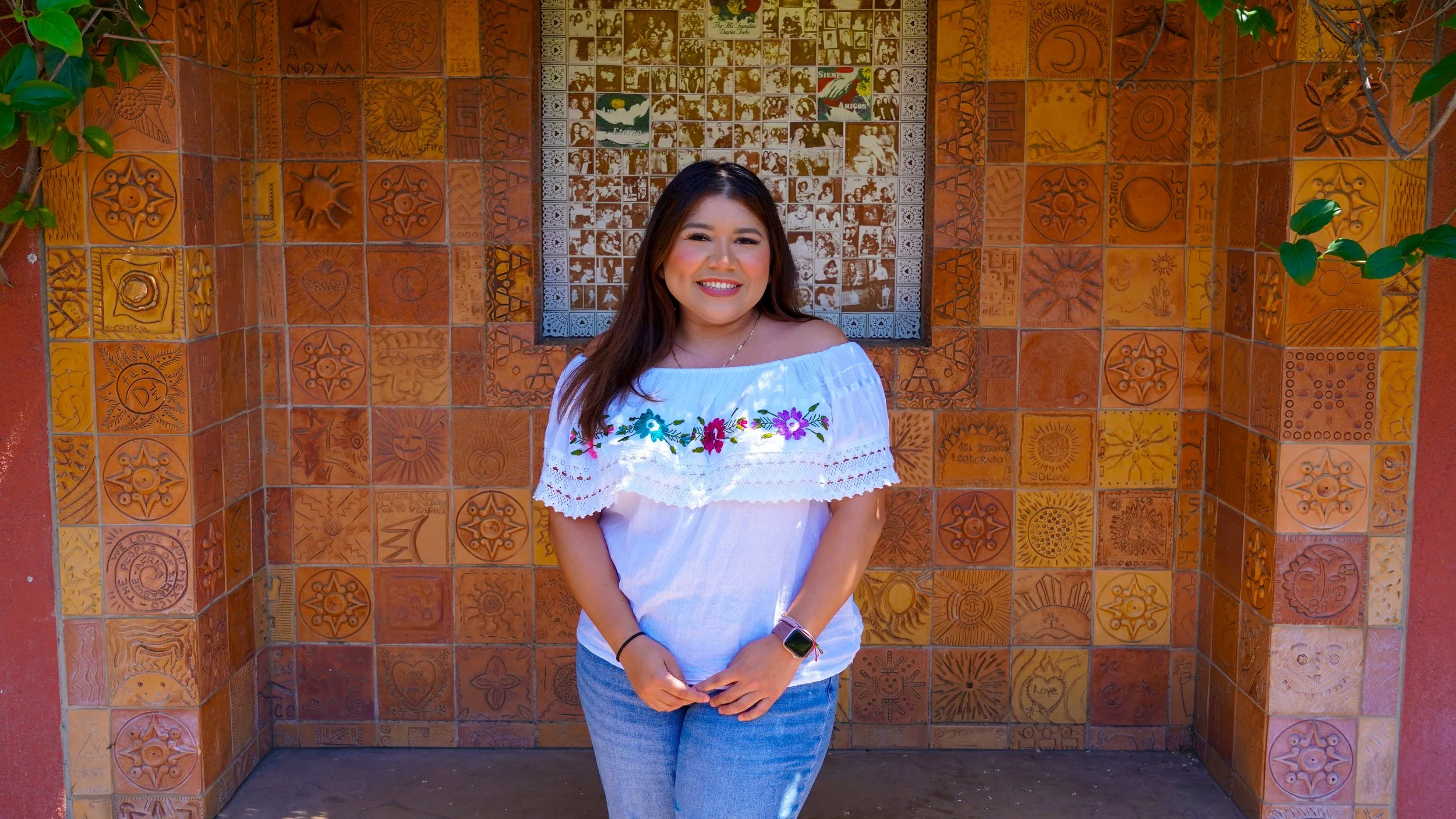
![]()
Liz González
Academy Administrator
Liz González, a former dancer with Los Lupeños, now brings her deep cultural ties and organizational expertise to her role as Academy Administrator. Based in San José, she oversees class offerings, the registration process, tuition assistance, and all Academy-related inquiries—ensuring efficient, welcoming, and authentic support for students and staff.
-
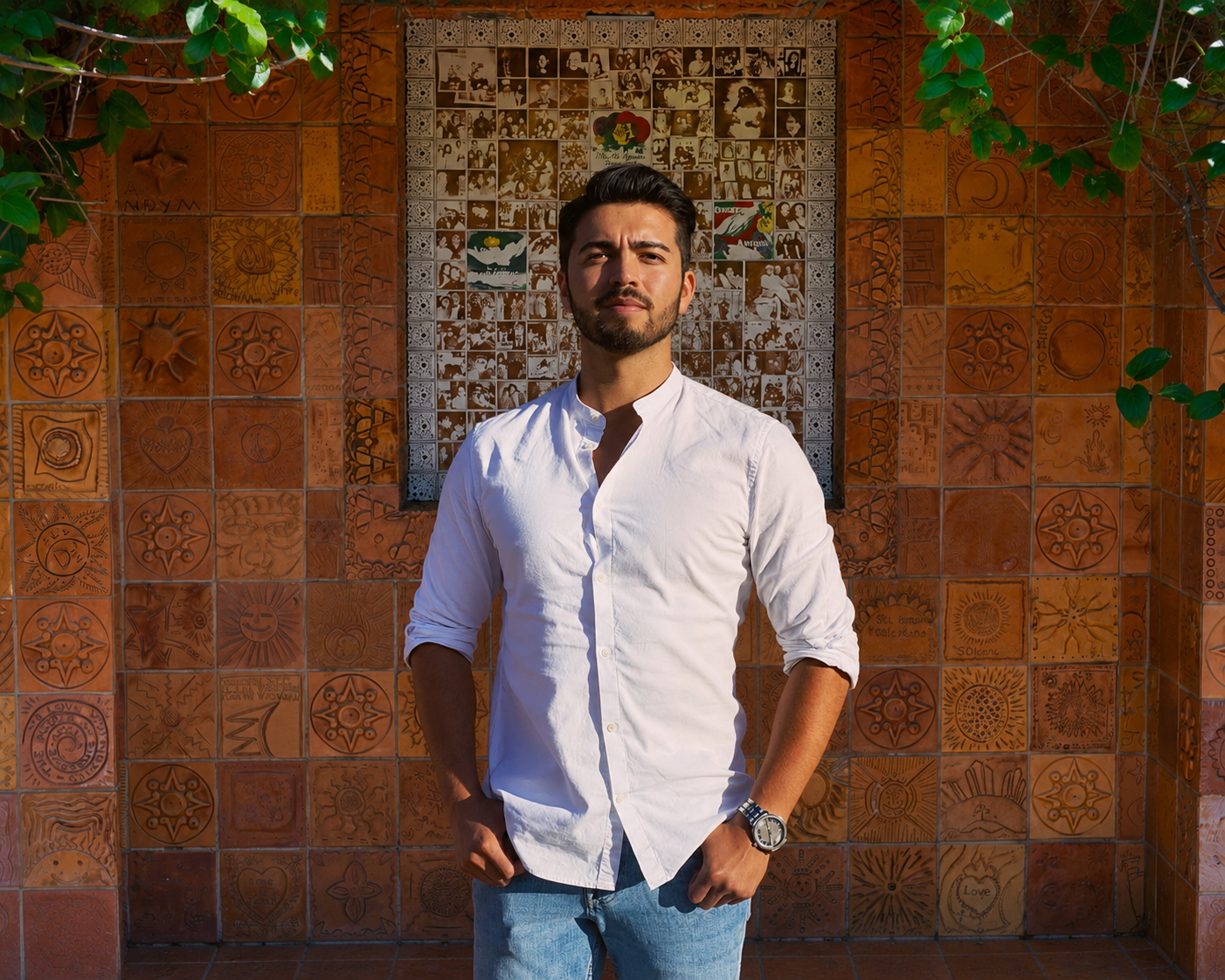
![]()
Alejandro Ocampo
Administrative Assistant
Alejandro Ocampo serves as Administrative Assistant for Los Lupeños Dance Academy, bringing both organizational skill and a deep artistic background to the role. A longtime dancer with Los Lupeños, Alejandro has contributed to the company’s artistic excellence for many years, including serving as Assistant Artistic Director in the past. -
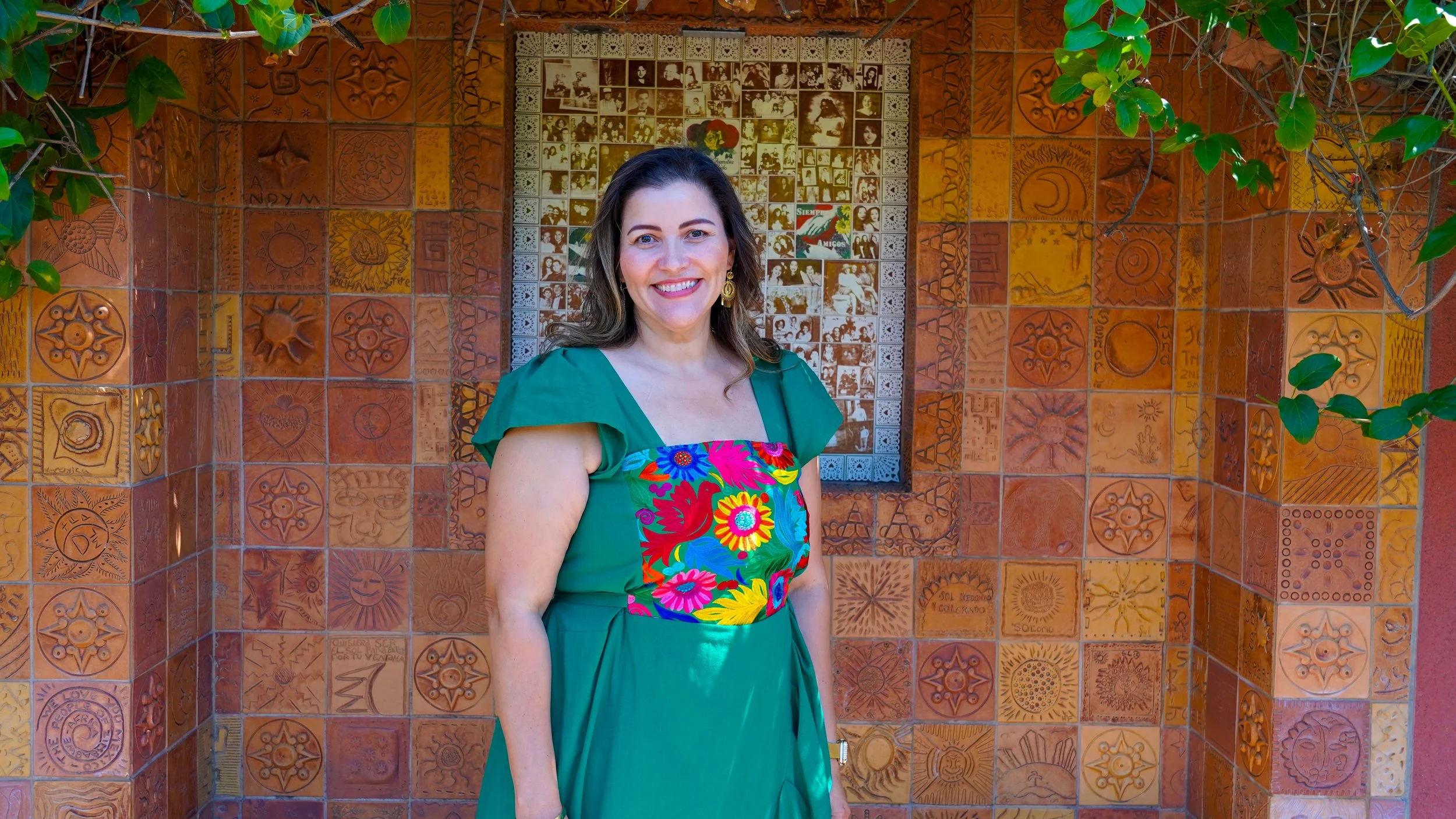
![]()
Diana Ramirez
Operations Director
Diana Ramirez is a first-generation Mexican American professional whose work centers on financial stewardship, organizational support, and community-rooted initiatives. Born and raised in Santa Cruz, CA, she draws inspiration from her immigrant parents’ sacrifices and brings a people-centered approach to supporting mission-driven organizations through thoughtful, values-aligned work.
Board of Directors
The CCL has an active Board of Directors and a volunteer support group that ensures that its mission is adhered to in every project. An Executive Director and Artistic Director cover operations and artistic development respectively. Los Lupeños Academy is managed by our Academy Administrator.
-
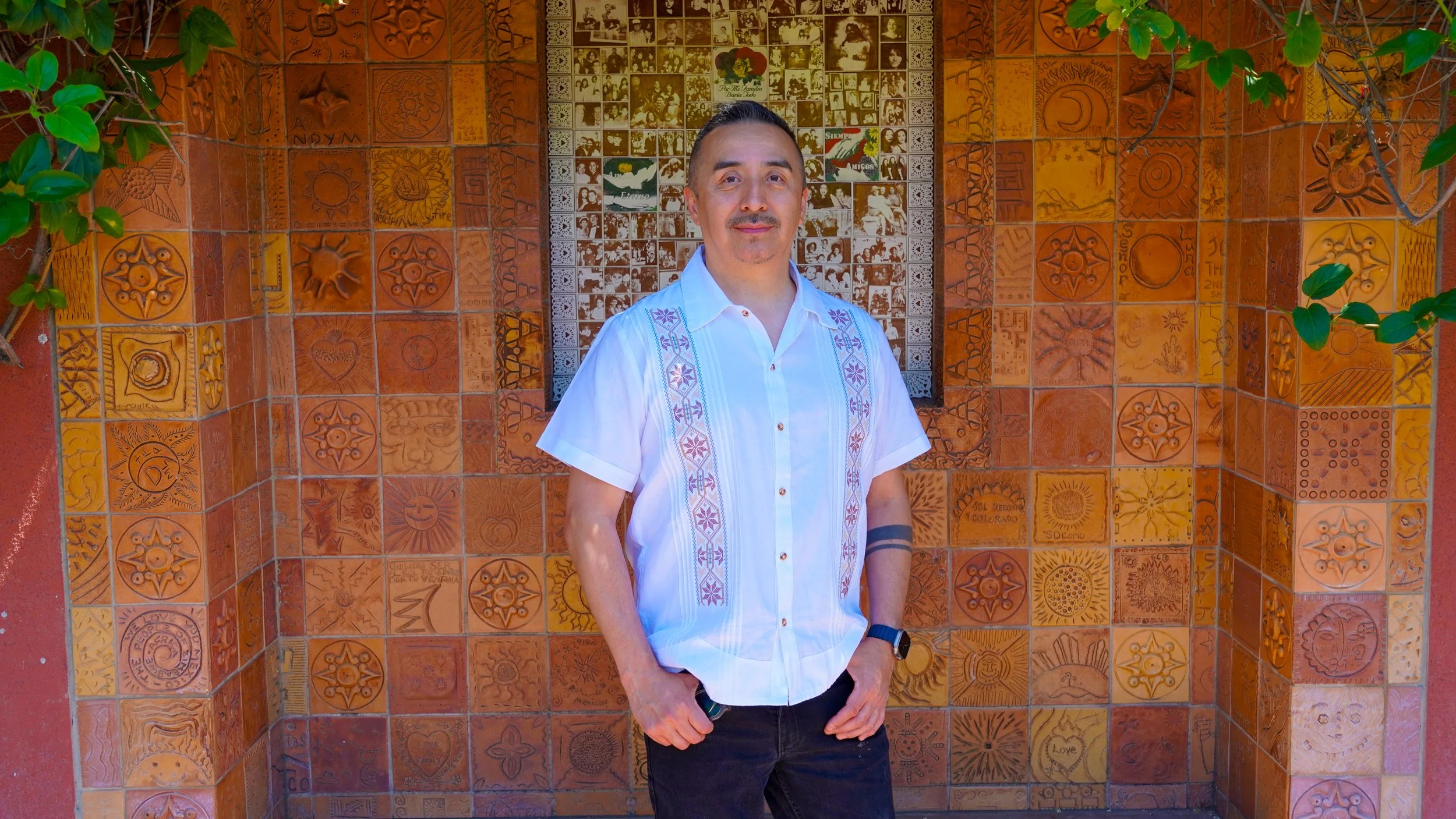
Omar Rodríguez is a cultural strategist, creative entrepreneur, and dedicated advocate for the preservation of Mexican and Latinx traditions. Born in Mexico City and raised in San José, California, Omar brings a deep connection to his heritage and a forward-thinking approach to cultural leadership. As President of the Board of Directors for Cashion Cultural Legacy, he helps guide the organization’s mission to preserve, promote, and pass on Mexican folklórico through community-based programming and education.
Omar is the founder and Marketing Director of Kooltura Marketing, a creative agency rooted in multicultural values and community storytelling. He is also the co-founder and executive editor of Eastside Magazine, a publication uplifting the voices and stories of San José’s Eastside neighborhoods. Through both his business and nonprofit leadership, Omar works to build visibility, access, and opportunity for underrepresented communities in the arts.
A proud graduate of San José State University with a degree in Business Management and Marketing, Omar integrates strategic thinking with cultural insight. His work spans brand design, community engagement, and arts advocacy, always grounded in equity and representation. He currently serves on regional arts advisory councils and continues to mentor emerging creatives across the Bay Area.
With every project, Omar leads with corazón—uplifting traditions while championing a new generation of cultural stewards.
-
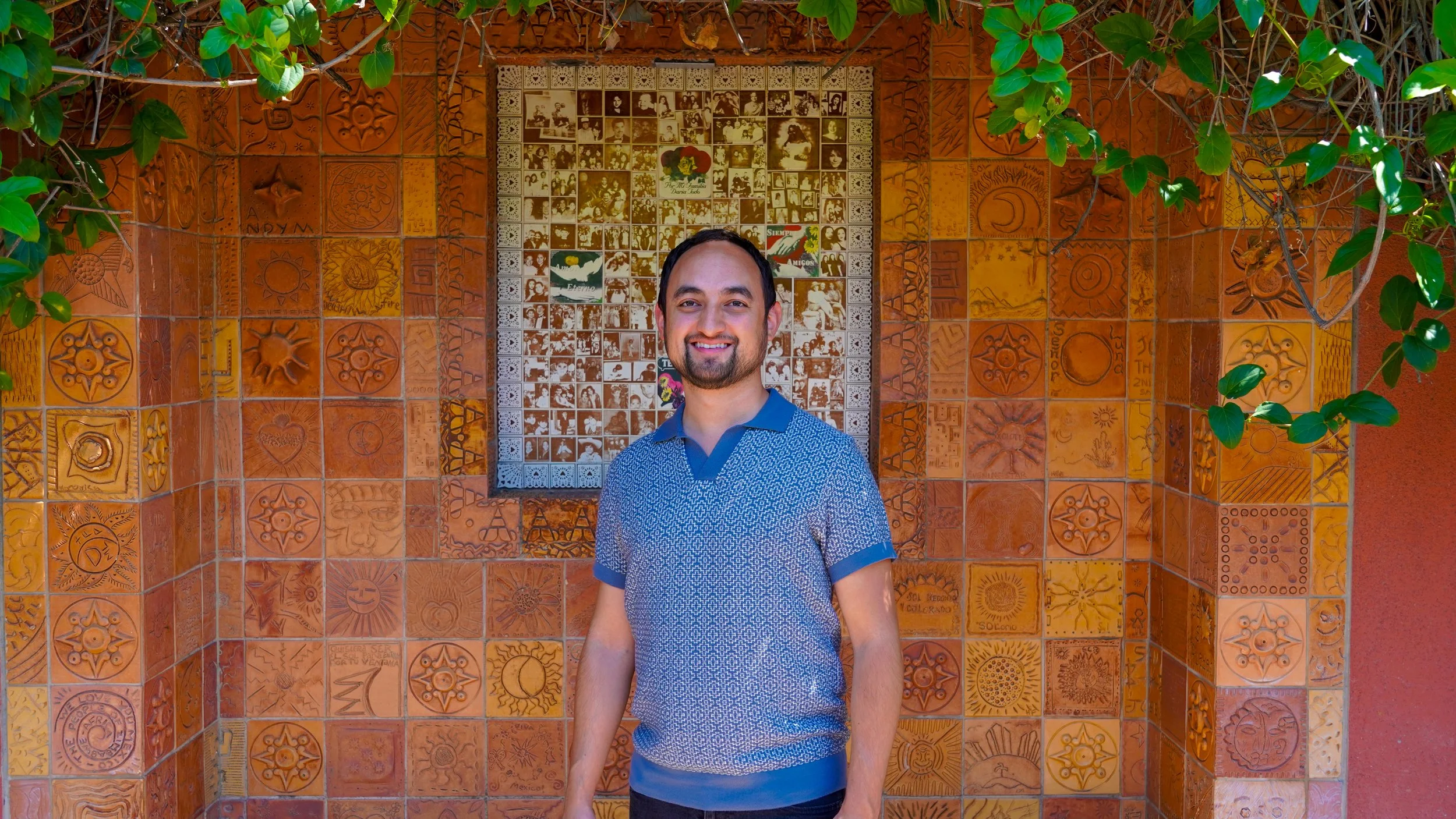
Liza Noriega brings both professional rigor and deep community values to her role as Vice-President on the Board of Directors at Cashion Cultural Legacy. A proud San José native, Liza balances her community leadership with a key leadership position at Stanford Graduate School of Business, where she serves as Executive Assistant to the Dean and manages the daily operations of the Dean’s office. In this capacity, she collaborates on strategic projects that support innovation, operational excellence, and outreach within one of the world’s leading academic institutions.
At Cashion Cultural Legacy, Liza understands the deep appreciation of dance for our cultura as a former Lupeña during the 90’s. Liza plays a vital role in guiding the organization’s direction and ensuring strong governance alongside cultural and artistic stewardship. As Vice-President, she helps elevate the impact of the nonprofit’s folklórico dance programs and community-based educational initiatives across San José.
Her dual commitments—supporting academic leadership at Stanford while advancing community-centered cultural work at Cashion—reflect a dedication to uplifting Latinx voices in both institutional and grassroots spaces. Liza’s thoughtful approach and quiet leadership style add depth and stability to the board’s collective vision.
-
Marco Chávez is a passionate advocate for education, equity, and cultural preservation, bringing over 30 years of experience in public education to his volunteer role as Treasurer of Cashion Cultural Legacy. A proud former folklórico dancer with Los Lupeños de San Jose, Marco understands firsthand the transformative power of cultural arts in shaping identity, confidence, and community.
Marco holds a Masters degree from San Francisco State University, and recently completed a distinguished 10-year tenure with the San Mateo County Office of Education, where he served in multiple leadership roles including Coordinator, Administrator, Associate Superintendent, and ultimately Deputy Superintendent. His career in education spans classroom teaching, school principalship, district leadership, and state-level policy implementation—always with a focus on closing opportunity gaps and uplifting underserved students.
Though now retired from full-time elected public service, Marco continues to serve as a respected mentor, advisor, and community leader. At Cashion Cultural Legacy, he applies his deep administrative expertise and lifelong love of culture to support financial stewardship, nonprofit sustainability, and intergenerational arts education.
Marco’s journey—from the dance stage to the superintendent’s office—reflects his unwavering belief in the power of culture and education to transform lives.
-
Lupe H. Ramirez-Steele brings a vibrant combination of professional expertise and cultural-rooted commitment to her role as Secretary on the Board of Directors at Cashion Cultural Legacy. With over 20 years of experience as a bilingual pediatric speech-language pathologist, she specializes in diagnosing and treating English–Spanish communication disorders, grounded in compassionate care and cultural understanding.
As a first-generation Mexican-American based in San José, Lupe infuses her leadership with cultural nuance and community-centered values. Her deep cultural ties, especially around Latinx traditions and language, align closely with Cashion Cultural Legacy’s mission to preserve Mexican folklórico heritage.
At Cashion, Lupe supports organizational governance, board communications, and administrative efficiency—ensuring that heritage, story, and structure come together with clarity and grace. Her expert lens on language, communication, and accessibility helps drive inclusive cultural programming.
-
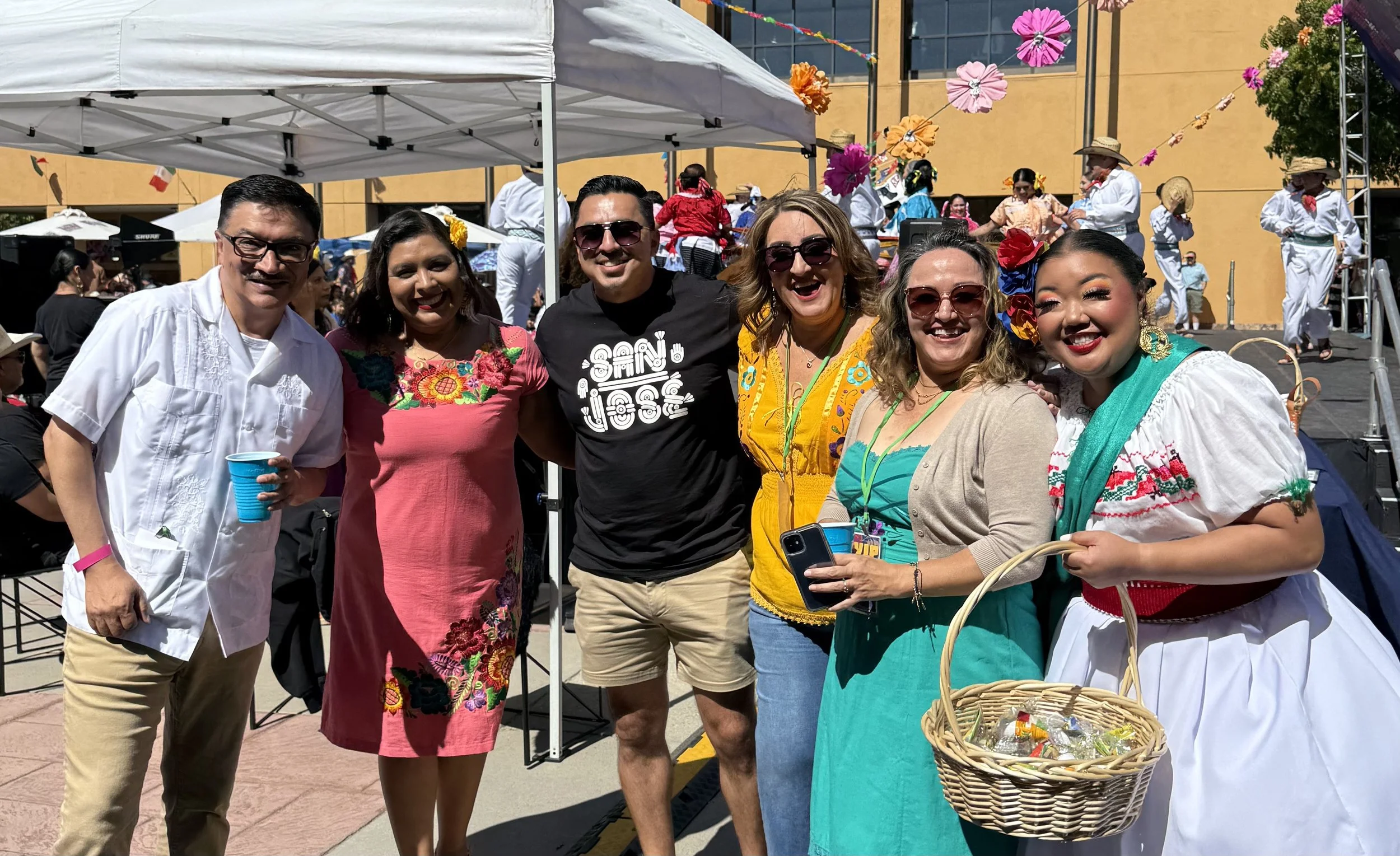
Kelly Chu brings a unique blend of cultural curiosity, artistic passion, and professional expertise to her role as a Board Member at Cashion Cultural Legacy. Based in San José, she is a Chinese–American dancer whose journey into Mexican folklórico began in 2016. Despite initially feeling out of place, Kelly embraced the challenge and found an unexpected path to self-discovery and cultural belonging.
Her commitment quickly deepened: Kelly became a dedicated member of the adult performing company at Los Lupeños de San José, where rigorous training, tight-knit community, and fast-paced performances reshaped her confidence and artistic identity. As an interpreter of cross-cultural expression, Kelly experiences folklórico as a space where diverse traditions meet—Chinese, Vietnamese, and Mexican—and where she thrives both onstage and off.
Professionally, Kelly currently works at Stanford University, where she applies her skills in communications and project management to support innovative academic initiatives. Her dual dedication to cultural arts and professional excellence informs her leadership on the Cashion board, where she helps expand access to folklórico for dancers of all backgrounds.
-
MandyRose Gutiérrez is an accomplished artist, educator, and longtime folklórico dancer whose deep connection to Mexican cultural traditions fuels her leadership at Cashion Cultural Legacy. As an exceptionally talented performer with Los Lupeños de San José, MandyRose’s experience on stage and in community dance has profoundly shaped her passion for preserving and celebrating Mexican folklórico.
Her journey as a performer gave her firsthand insight into the power of dance to build identity, community, and resilience. This lived experience enriches her role on the board, where she brings both artistic vision and heartfelt commitment to advancing Cashion’s mission through education, outreach, and cultural advocacy.
In addition to her performing background, MandyRose is a dedicated arts educator who empowers individuals of all ages to engage with their heritage creatively. Her multifaceted approach helps bridge traditional art forms with contemporary cultural expression, ensuring folklórico’s relevance for future generations.